

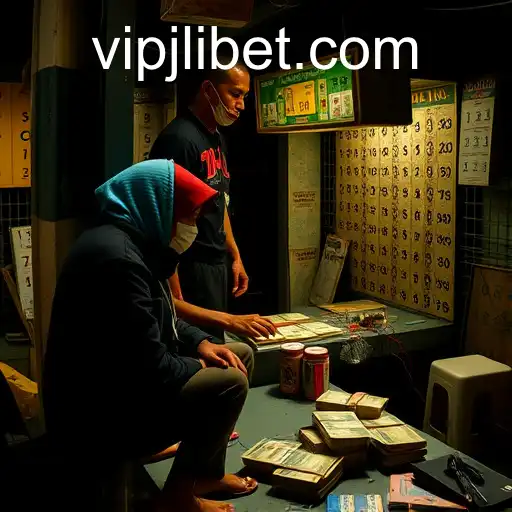

Jueteng, an illegal numbers game deeply rooted in the cultural and social fabric of the Philippines, has captivated many across generations. Despite numerous governmental efforts to eradicate it due to its illicit nature, this game continues to thrive. One recent development in the Jueteng scene is the role of VIPJL, a term that has garnered attention among enthusiasts and stakeholders alike.
At its core, Jueteng resembles a lottery game. Players, often from working-class backgrounds, pick a combination of two numbers ranging from 1 to 37. This simple game belies a complex system of betting that weaves through local communities, involving players, bettors, and operators known as 'cobradores' and 'revisadores'.
Jueteng's appeal is multifaceted. It provides a sense of hope and excitement, offering the promise of a significant payout with minimal investment. Players place their bets believing that the odds are in their favor, a belief often fueled by superstition and local myths about lucky numbers.
The economic impact of Jueteng is substantial. It operates parallel to the formal economy, providing an informal revenue stream that supports thousands of Filipinos. Despite its illegality, Jueteng has embedded itself into the daily lives of many, becoming a source of livelihood for those managing the betting operations and those betting itself.
Socially, Jueteng fosters a sense of community and camaraderie among its patrons. It is not uncommon for communities to rally together, pooling resources to place what they hope will be a winning bet. However, this sense of community can come at a cost, as Jueteng often exploits those most vulnerable, perpetuating cycles of poverty and gambling addiction.
At the heart of Jueteng's operation is a complex financial ecosystem. Funds collected from bettors are distributed through a well-oiled network. Operators collect a significant portion of these funds, which are then used to pay winnings, bribes, and operational costs, including salaries for cobradores and revisadores.
Bribery has historically been a part of the Jueteng operation, with payments often made to local authorities to ensure the game can continue unimpeded. This corruption underscores the challenges faced in attempts to eradicate Jueteng, as many benefit from its continued operation.
The emergence of VIPJL, a term gaining traction in the Jueteng community, has added another layer of complexity to this numbers game. VIPJL is believed to represent a syndicate or influential group that wields significant influence over the Jueteng operations in various regions. While concrete details about VIPJL's organization remain elusive, it is speculated that this entity plays a pivotal role in the coordination and distribution of Jueteng activities.
The reach of VIPJL has reportedly extended to areas traditionally resistant to Jueteng's influence, indicating the sophistication and breadth of their operations. This development has alarmed authorities, prompting discussions on new strategies to address the illegal gambling activities associated with Jueteng.
Attempts to regulate Jueteng have been met with numerous challenges. The game's popularity and entrenched position in society make enforcement difficult. Eradicating Jueteng requires dismantling the established networks of influence, which are often protected by individuals occupying positions of power.
Legislative measures have been introduced over the years to curb its spread, but these efforts have met with limited success. The persistence of Jueteng is a testament to the inadequacy of existing laws and regulations, as well as the challenges posed by corruption within law enforcement agencies.
Moreover, the community's reliance on Jueteng as an economic stimulus complicates government interventions. Without providing viable alternatives for those whose livelihoods depend on Jueteng, efforts to eliminate the game are likely to face strong resistance.
Jueteng is more than just a numbers game; it is a cultural phenomenon. Its long-standing presence in Filipino society speaks to its deep cultural significance. The game's simplicity and low-barrier entry make it accessible to many, ensuring its continued appeal across various demographics.
For many, Jueteng provides not just the thrill of gambling but also acts as a social equalizer. It brings together individuals from different walks of life, united in the shared pursuit of luck and fortune. This cultural dimension further complicates the task of eradicating Jueteng, as it is interwoven into the social fabric of Filipino communities.
The ongoing saga of Jueteng, with the emergence of entities like VIPJL, underscores the resilience and adaptability of this illegal numbers game. Despite efforts to curb its proliferation, Jueteng continues to thrive, offering insights into the social, economic, and cultural dynamics at play within the Philippines.

Dive into the captivating world of 'RollingInMoney,' a game that combines excitement with strategic play to win big.

Discover the thrilling world of 3CoinWildHorse, a captivating virtual horse racing game that combines strategy and excitement. Learn about its gameplay, rules, and the unique VIPJL feature that enhances the experience.

An in-depth look into ZeusM, a captivating game of myth and strategy, delving into its unique mechanics, rules, and the latest updates in the gaming world.

Explore the captivating world of VegasNoLimitWinsSE, a dynamic and exciting game that brings the energy of Las Vegas to your fingertips. Dive into the game description, introduction, and rules, enhanced with the latest events.

Dive into the mystical world of 'Aladdin' and discover the enchanting experience it offers with the unique twist of VIPJL.

Dive into the captivating world of 'RuedaDeChileBonusBuy,' a game of strategy and excitement. Explore its features, rules, and the unique advantage of VIPJL in today's gaming landscape.
