

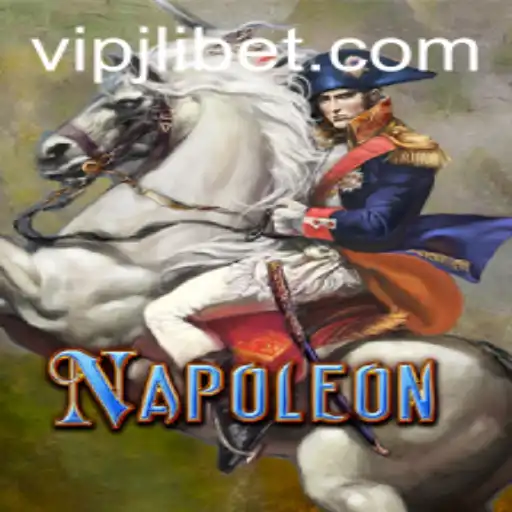

In the evolving world of card games, Napoleon stands out as a historical gem infused with tactical depth and a touch of historical lore. With its roots inspired by the strategic military campaigns of Emperor Napoleon Bonaparte, this game offers an immersive experience that demands both strategic foresight and skillful execution. As the gaming landscape continues to see innovations and trends, games like Napoleon anchor players to classic strategic gameplay while allowing them to adapt teachings from the past to modern situations.
Napoleon is traditionally a trick-taking card game, akin to whist or bridge, and is lauded for its unique characteristic of allowing players to assume the role of a commander leading troops into battle. Typically played with 3-6 players, it involves a standard deck of 52 cards, where each player is dealt a hand and attempts to win tricks through strategic plays. The central intrigue lies in the bidding process where players declare their ability to win a certain number of tricks, thus playing the dual role of tactician and risk evaluator.
In Napoleon, strategic planning begins with an insightful analysis of one’s hand, discerning strengths and weaknesses before leading into the critical phase of bidding. Each player, in turn, declares the number of tricks they believe they can achieve, with the highest bidder assuming the role of Napoleon, embarking on the mission to meet their bid. This phase is reflective of a commander’s determination to lead their army to victory against all odds.
A game of Napoleon initiates with the person to the dealer's left opening the bid or passing. Players can declare a bid that starts with a minimum of three tricks or decide to pass. As bids escalate, strategic thinking becomes more pronounced. Once bids are complete, the winner of the highest bid names the suit of trumps for that round. This pivotal choice can dramatically alter the course of the game, as the trump suit overrides other suits in the hierarchy, providing a tactical edge.
The player who wins the bid leads the first trick, with everyone else required to follow suit if possible. The player who plays the highest card in the leading suit, or the trump suit if it was used, wins the trick. The process repeats until all cards have been played, with the reality of the initial bid coming into play. Success hinges not only on claiming the most tricks but fulfilling the exact promise, as real strategies mold the battlefield similar to how a commander directs troops.
In an era where gaming is constantly shifting towards digital platforms and augmented realities, card games like Napoleon serve as a reminder of the enduring power of strategy and personal interaction. Interestingly, Napoleon has seen adaptations in digital formats, yet retains its allure through the tangible engagement of players during physical games. The beauty of Napoleon lies in its enduring relevance; no matter how technology evolves, the core need for strategic thinking and adaptability remains.
In 2023's gaming landscape dominated by digital innovations, the physical presence and immediate tactics of Napoleon offer a counterbalance to virtual escapism. It encourages players to interact directly, fostering a sense of community and competition that underscores the joy and challenge of skilled play. As players ponder whether to invoke some house rules that modernize its play or integrate multimedia elements, Napoleon remains steadfast as a bridge between tradition and innovation.
With the gaming industry experiencing a resurgence in board and card games, Napoleon enjoys renewed interest amidst global trends emphasizing cognitive skills development. Many educational sectors advocate for games like Napoleon as learning tools to enhance strategic planning capabilities and improve focus among students. On the other hand, global gaming championships have also extended platforms for Napoleon, showcasing its thematic complexity on international stages.
Recently, social initiatives around the world have also incorporated games like Napoleon to promote cognitive learning among older adults, with studies highlighting the benefits of such games in maintaining mental agility and social interactions. This growing relevance in educational and social spaces underscores Napoleon's adaptability and timeless appeal, echoing the strategies of war adapted to peacetime learning and camaraderie.
Ultimately, the game of Napoleon transcends merely being a card game to embody the art of strategic thinking and calculated risk-taking. Its deep roots in historical contexts and adaptable nature to contemporary lifestyles ensure its place at the table, whether around a fire in 19th-century Europe or an urban café in the heart of Tokyo. As the world continues to embrace both technological progress and nostalgic traditions, Napoleon fortifies its standing as a game that nurtures intellect, strategic development, and a profound appreciation for the complexities of tactical engagements.
Discover the captivating world of MoneyPot, a strategic game where players navigate financial challenges to amass wealth, utilizing their skills to outwit opponents and claim victory.
Explore the world of 3CoinTreasures, a captivating new game that combines strategic gameplay with rewarding adventures, enhanced by the VIPJL system.

Dive into the candy-filled world of SweetBonanza1000, exploring its captivating gameplay and unique features. Discover how this colorful game is capturing the excitement of players worldwide.

Dive into an enthralling exploration of the game 'RabbitsGrace,' where strategy meets elegance. Learn about its captivating storyline, intricate rules, and how it seamlessly integrates with current global events.

Explore the captivating world of ZeusRushFeverDeluxeSE, a game that blends mythology and modern gaming with an engaging storyline, exciting features, and unique challenges.
Explore the captivating universe of BookOfSherlock, a game that merges mystery, detective work, and captivating gameplay. Learn about its introduction, description, rules, and connection with the real-world events.
